Rochester Hills vs Troy Housing: Which Move Fits Best?
May 14, 2026
May 14, 2026
Choosing between Rochester Hills and Troy can feel harder than it should. Both are established Oakland County communities, both are competitive housing markets, and both offer strong everyday convenience. If you are trying to decide which one better fits your lifestyle, budget, and next chapter, this guide will help you compare the details that matter most. Let’s dive in.
If budget is one of your first filters, Troy currently reads as the slightly more expensive market. Recent Redfin data shows a median sale price of $400,000 in Troy compared with $355,000 in Rochester Hills.
That difference does not mean Rochester Hills is a bargain market. Census QuickFacts also shows high owner-occupied home values in both cities, with $420,300 in Troy and $409,800 in Rochester Hills as median values for owner-occupied housing units.
The market pace is also worth noting. Redfin reports a median 23 days on market in Rochester Hills versus 31 days in Troy, which suggests Rochester Hills listings have recently moved a bit faster.
For you as a buyer or seller, the takeaway is fairly simple. Troy may ask for a slightly higher entry point, while Rochester Hills may offer a somewhat lower one without feeling like a major step down in market position.
If your week revolves around getting across Metro Detroit efficiently, Troy has an edge in how it connects to the region. City materials highlight access to I-75, I-696, and M-59, which gives Troy a very practical highway-access profile.
Rochester Hills is still highly driveable and close to major roadways. The difference is not dramatic in raw commute data either, with Census QuickFacts showing a mean travel time to work of 23.7 minutes in Troy and 24.3 minutes in Rochester Hills.
In real-life terms, Troy tends to feel a bit more highway-connected. Rochester Hills still works well for commuters, but it may feel more centered on local neighborhoods and daily routines close to home.
For buyers who want to understand public school districts as part of a move, both cities have strong public-facing data. Rochester Community Schools serves Rochester Hills with 13 elementary schools, four middle schools, three high schools, and an alternative center, and the district says 98% of students graduate.
Troy School District reports 12 elementary schools, four middle schools, four high schools, and more than 12,000 students. The Michigan Department of Education reported a 98.3% four-year graduation rate for 2024-25, which Troy says was the highest among the state’s 20 largest districts.
The practical difference is less about one district being clearly ahead and more about how the systems are structured. If you are comparing the two, it can be helpful to look closely at school configuration, boundaries, and how each district fits your daily routine.
If outdoor access shapes how you want to live, Rochester Hills has a strong green-space identity. City materials and maps point to nearly 1,000 acres of parkland, along with dedicated park maps, protected-property maps, and trail markers.
Troy brings a slightly different outdoor profile. Its adopted 2026-2030 Parks and Recreation Master Plan includes a Linear Parks & Trails section, and city documentation notes that the Parks Division maintains Troy trails and pathways.
That creates a useful distinction when you picture everyday life. Rochester Hills may appeal more if you want a community that feels especially park-forward, while Troy may stand out if you like the idea of a more connected pathways-and-trails framework.
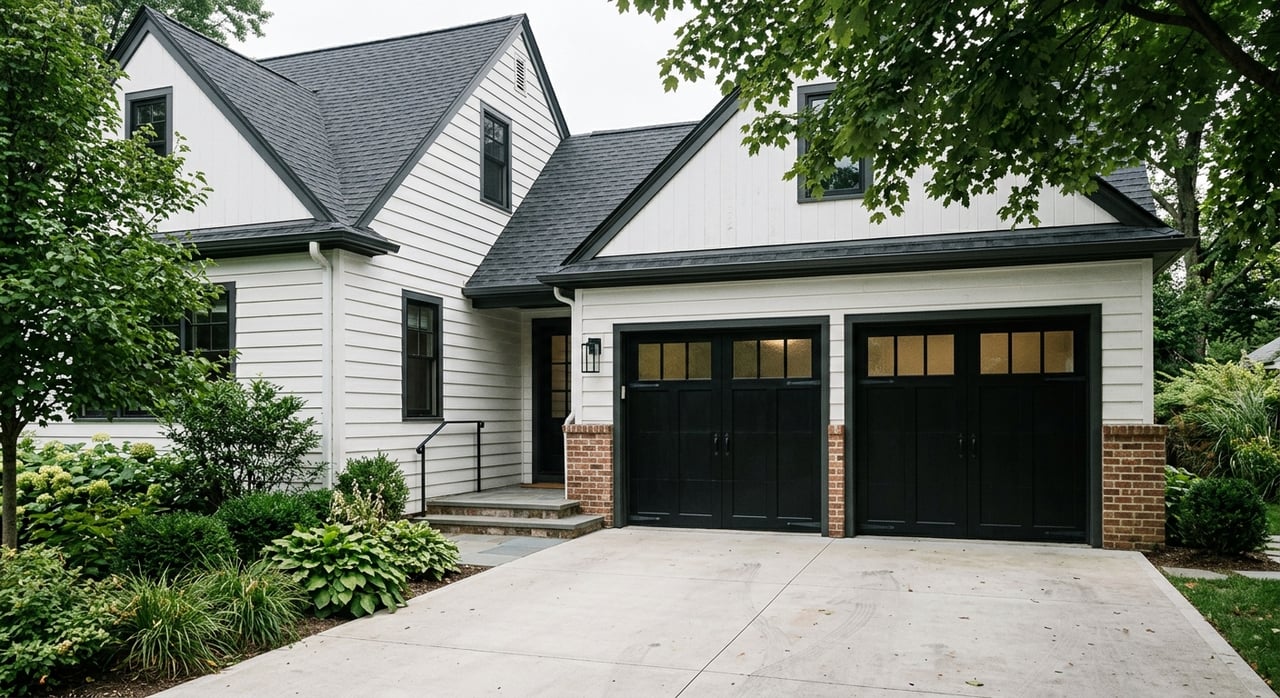
Housing stock can shape your experience just as much as price. Troy’s public zoning and city records show a broad mix of one-family districts, attached housing, multiple-family options, urban residential areas, manufactured housing, office districts, and form-based districts.
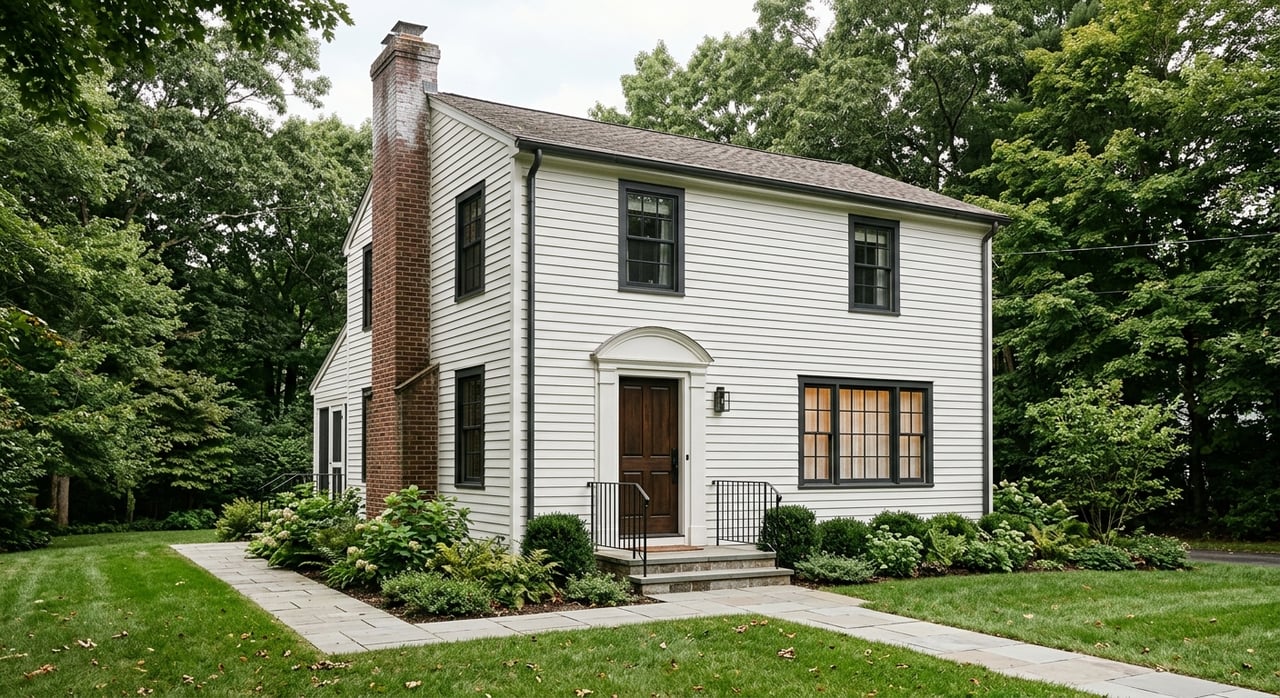
City records also show 27,281 single-family detached residential units in Troy, plus more than 7,500 units in its multiple-family inspection program. Property sales records cited in the research show homes ranging from colonials and ranches to bungalows and tri-levels, with build dates from the 1930s through the 1990s.
Rochester Hills also includes one-family residential districts, cluster housing, multiple-family categories, manufactured housing, and mixed-residential land uses. At the same time, it reads more strongly as a detached-home suburb, and Census data shows a higher owner-occupied housing rate of 76.7%, compared with 73.3% in Troy.
If you want a broader mix of housing types and formats, Troy may give you more to work with. If you picture a more owner-occupied, detached-home setting, Rochester Hills may feel like the more natural fit.
When two communities are this close in overall appeal, the best choice often comes down to your daily patterns. Think about where you drive most, what kind of home layout you want, how much outdoor space matters to you, and whether housing variety or a more detached-home setting matters more.
It also helps to compare active listings side by side instead of judging each city by reputation alone. The right fit usually becomes clearer once you weigh commute patterns, home style, lot setting, and price in one place.
If you are weighing Rochester Hills against Troy, working with a local team can make the comparison much easier. Madelon P. Ward can help you narrow the options, compare neighborhoods thoughtfully, and move forward with a plan that fits your goals.
We pride ourselves in providing personalized solutions that bring our clients closer to their dream properties and enhance their long-term wealth. Contact us today to find out how we can be of assistance to you!