Birmingham MI Old vs New Homes: How to Choose
June 18, 2026
June 18, 2026
Wondering whether a classic Birmingham home or a newer build makes more sense for your next move? You are not alone. In Birmingham, that decision often comes down to how you want to live day to day, how much home improvement you want to take on, and how much value you place on established neighborhood character. This guide will help you compare both paths so you can move forward with more clarity. Let’s dive in.
Birmingham has a housing stock that leans established. Census Bureau data for 2020 to 2024 shows a 77.1% owner-occupied housing rate and a median value of $698,300 for owner-occupied homes. Point2Homes ACS-based data also lists the city’s median construction year as 1960, which helps explain why many buyers here are choosing between older homes with history and newer homes with updated systems.
That local context matters. Birmingham also places clear value on community character, including mature tree canopy and preservation planning. If you are deciding between a classic home and newer construction, you are not just comparing floor plans. You are also weighing how each home fits your lifestyle, maintenance comfort level, and neighborhood preferences.
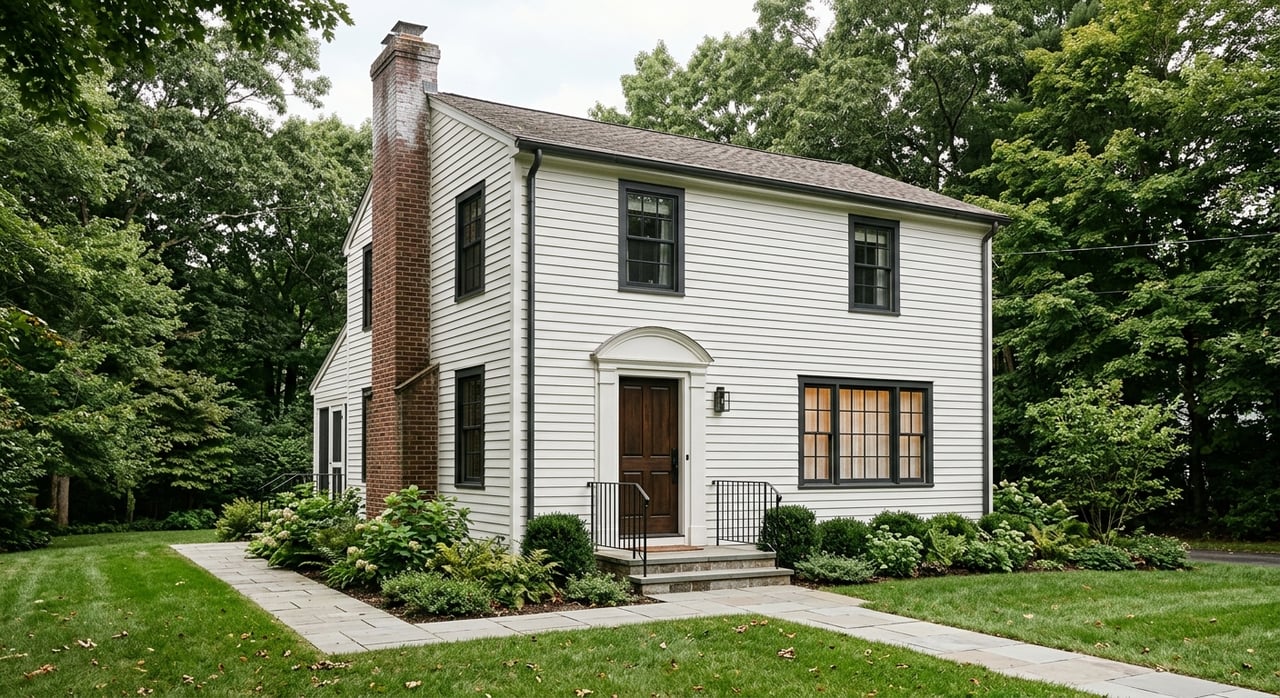
In Birmingham, a classic home usually means older housing stock in an established setting. Many homes were built decades ago, with a meaningful share dating to before 1960 and some built before 1940. These properties often sit on blocks shaped by mature trees, long-established streetscapes, and a city culture that pays close attention to preservation.
That does not mean every older home is historic in a formal sense. It does mean some properties may sit in a preservation-minded environment or be affected by historic review considerations. Birmingham’s Historic District Commission and ongoing design-guideline work show that the city takes the stewardship of older homes seriously.
Classic homes often appeal to buyers who want personality and a sense of place. Birmingham’s parks planning also reinforces the city’s neighborhood-centered feel, with an emphasis on access to green spaces and recreational facilities. For many buyers, that established setting is part of the draw.
Older homes can also offer details that feel distinct from newer construction. You may find more defined rooms and a more traditional layout. Historically, more open floor plans became widespread later, especially during the 1950s ranch era, so many older homes feel more separated by function.
That layout can be a plus if you want privacy between spaces. A separate dining room, den, or formal living area may better suit the way you work, host, or unwind. If you prefer homes with a layered, traditional feel, classic properties may stand out right away.
The biggest tradeoff with a classic home is usually maintenance and upgrades. Older homes often have less insulation than newer homes, which can affect comfort and energy costs. That is why whole-house energy assessments, insulation improvements, and air sealing are often smart items to evaluate.
Windows are another important checkpoint. Efficient windows can reduce a meaningful share of heating and cooling loss, but in older homes, the right decision is not always full replacement. In some cases, careful repair and maintenance may be part of the long-term approach, especially where original materials matter.
If the home was built before 1978, lead-safe due diligence should also be part of your process. EPA guidance says many homes built before 1978 contain some lead-based paint, and buyers are entitled to receive lead disclosure information before signing a contract. That does not mean you should avoid older homes. It means you should evaluate them carefully and ask the right questions.
A newer home usually stands out for efficiency, comfort, and more predictable systems. Compared with older homes, newer construction is less likely to need immediate insulation work, major air sealing, or early window replacement. That can make the first few years of ownership feel simpler.
New construction also tends to be designed with a whole-house systems approach. Insulation, windows, HVAC, and air sealing are meant to work together. When installed well, that combination can improve comfort, durability, and monthly utility performance.
For many buyers, that means fewer projects right after closing. If you are relocating, balancing a busy schedule, or simply want less renovation responsibility, newer homes can feel more manageable.
Energy performance is one of the clearest advantages. ENERGY STAR says certified new homes are independently verified for insulation, windows, air sealing, and HVAC systems. It also states that these homes can deliver at least 10% savings on annual utility bills.
Comfort is another major benefit. Tight building envelopes are designed to limit leakage, which can help maintain steadier indoor temperatures. If you are sensitive to drafty rooms or inconsistent heating and cooling, that difference may matter a lot in daily life.
Newer homes may also align better with buyers who want a more open layout. While floor plan style varies by builder and design, newer construction often reflects more current living patterns, with easier flow between kitchen, living, and gathering spaces.
The main tradeoff is often neighborhood texture. Birmingham clearly values mature trees, preservation, and established visual character. As a result, some buyers feel more emotionally connected to older blocks with deeper streetscape character than to homes that prioritize newer systems.
That does not make one choice better than the other. It simply means newer construction may offer better performance, while older homes may offer a stronger sense of age and continuity. Your decision depends on which benefits matter more to you.
You should also verify quality, even in a newer home. Good materials matter, but proper installation matters too. It is wise to ask for documentation related to insulation, air sealing, HVAC systems, and any ENERGY STAR or similar certifications.
If you are moving up, relocating, or narrowing your search in Birmingham, it helps to compare homes through a few practical lenses rather than focusing only on age.
Ask yourself how much work you want to own in the first few years. A classic home may offer charm and long-term upside, but it can also come with insulation updates, window decisions, or maintenance planning. A newer home may reduce those near-term projects.
Think about how the home will feel in real life. Energy-efficient construction, air sealing, and newer HVAC systems can improve comfort and lower utility costs. If predictable monthly performance matters to you, a newer home may deserve extra attention.
Some buyers want rooms with clear separation. Others want open gathering spaces. Older homes often lean more traditional in layout, while newer homes often support a more connected flow.
Birmingham is known for established streetscapes and mature canopy. If that setting is central to your vision of home, an older property may offer a stronger fit. If your top priority is low-maintenance living, you may be more flexible on that point.
Two homes of the same age can live very differently. One older home may be carefully updated and efficient, while another may need substantial work. One newer home may be very well built, while another may need closer review of installation quality and systems.
If you are still torn, this quick framework can help.
In Birmingham, the question is rarely just old versus new. It is really about how much renovation you want to manage, how important energy performance is to you, and how much Birmingham’s established neighborhood feel shapes your decision.
A classic home can offer charm, maturity, and a strong sense of place. A newer home can offer efficiency, comfort, and fewer early projects. When you look at the decision through your daily routine, budget priorities, and long-term goals, the right answer usually becomes much clearer.
If you want help sorting through Birmingham homes, nearby Oakland County options, or the tradeoffs between established and newer properties, Madelon P. Ward can help you compare homes with practical local insight and a personalized approach.
We pride ourselves in providing personalized solutions that bring our clients closer to their dream properties and enhance their long-term wealth. Contact us today to find out how we can be of assistance to you!