Walkable Royal Oak Neighborhoods Beyond Downtown
June 4, 2026
June 4, 2026
Looking for a walkable Royal Oak lifestyle without living right in the middle of downtown? You are not alone. Many buyers want the convenience of parks, sidewalks, and nearby amenities, but also want a more residential feel with quieter blocks, mature trees, and a little breathing room. The good news is that Royal Oak offers exactly that in several pockets beyond the downtown core. If you are trying to picture where that balance shows up, this guide will help you understand how walkable living works in Royal Oak’s neighborhoods. Let’s dive in.
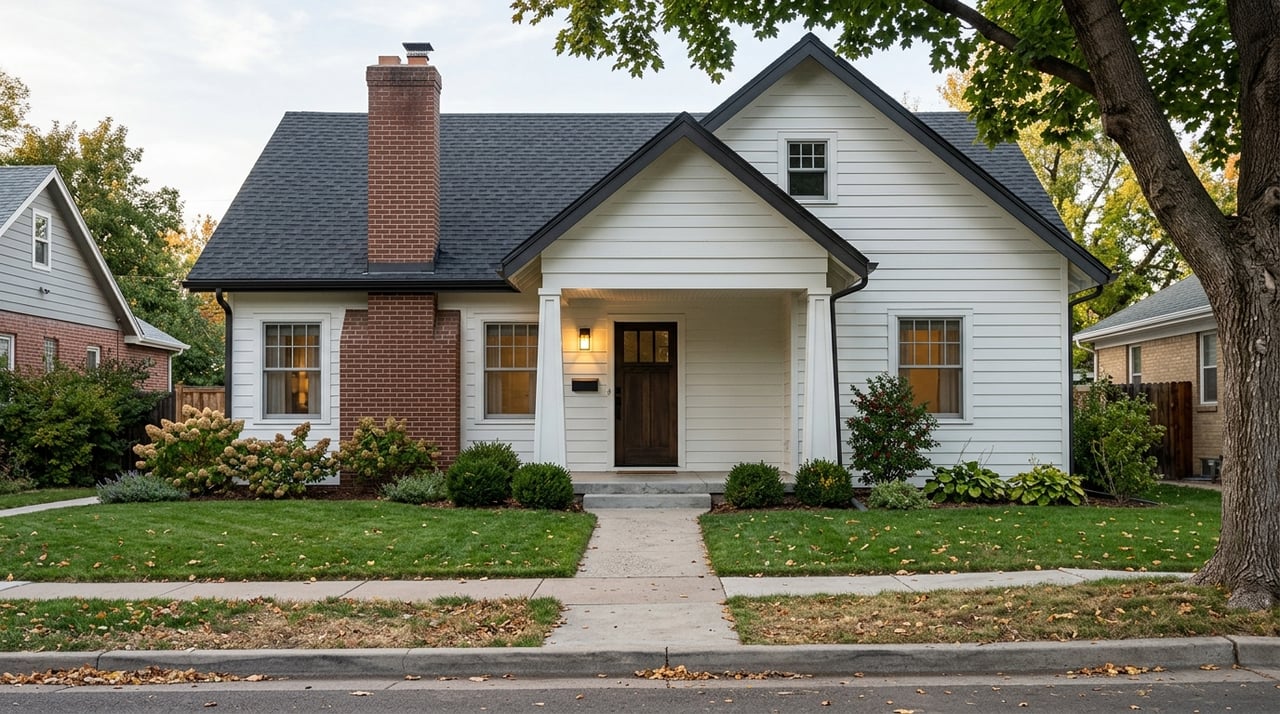
Downtown Royal Oak is the city’s most active area, but it is not the only place where you can enjoy a walkable lifestyle. According to the city’s master plan, downtown is surrounded by lower-scale residential neighborhoods that are largely made up of single-family homes, along with some duplexes and smaller multi-family buildings in select areas.
That matters because it shapes the day-to-day feel of living here. Outside the core, many neighborhoods offer sidewalks, parks, and access to nearby conveniences, but they do not function like mini-downtowns. Instead, they tend to feel more residential, with detached homes, established blocks, and a calmer pace.
Royal Oak also describes itself as a small-town city with large-city amenities. The city notes that many residential neighborhoods still feature large trees lining both sides of the street, which adds to the walkable, neighborhood-first character many buyers are looking for.
Walkability is not just about restaurants and storefronts. In Royal Oak, it often comes from a combination of sidewalks, parks, neighborhood layout, and practical access to daily destinations.
The city launched a six-year sidewalk improvement program in 2021, and that work continues in target areas. That ongoing investment supports the kind of block-to-block connectivity that makes everyday walks easier, whether you are heading to a park, meeting neighbors, or simply getting outside.
Parks are another big part of the picture. Trust for Public Land’s ParkServe profile says 93% of Royal Oak residents live within a 10-minute walk of a park. For buyers who care about outdoor access, that is a meaningful part of the lifestyle.
Royal Oak’s location also helps. The city highlights its proximity to I-696, I-75, Woodward Avenue, and nearby commercial centers. In practice, that means many residents can blend walking, short drives, and transit instead of relying on just one way to get around.
If you want to stay close to the energy of downtown without being right in the center of it, the south and central edges can be worth a closer look. These areas often appeal to buyers who want a more flexible mix of housing types and easy access to local amenities.
Main Street Square is a good example of this edge condition. Its condo association is bounded by Allenhurst and West Kenilworth, and South Main and South Washington, which places it on the edge of the downtown grid rather than in the core itself. That location reflects a common Royal Oak pattern where housing near a corridor or node may include condos or other attached options.
This part of the city also benefits from nearby public spaces and local destinations. Grant Park at Fifth and Kayser is described by the city as near downtown and includes a soccer field, outdoor fitness equipment, and playground equipment. The Royal Oak Farmers Market at 316 East 11 Mile Road also adds to the area’s practical appeal, with the 11 Mile parking structure located about half a block away.
The East 11 Mile public-art program, which runs from Troy Street to Campbell Road, adds another layer of place-making in this area. For buyers, that can translate to a neighborhood feel that is active and connected, while still offering a step back from the busiest downtown blocks.
For buyers who picture walkability in a more neighborhood-centered way, the Vinsetta and Marais area stands out. This pocket reads as residential first, with open space and nearby streets that feel tied to daily living rather than downtown foot traffic.
The city’s zoning map specifically identifies the Vinsetta Boulevard overlay district, which gives this area a distinct identity. Marais Park, located at Marais and Vinsetta, is described by the city as just off Vinsetta Boulevard north of 12 Mile. The park includes a multi-purpose field and playground and is used by neighboring residents as open space.
That combination matters if you want walkability anchored by parks and neighborhood streets. Rather than focusing on retail intensity, this pocket supports the kind of everyday routine many buyers want, such as walking to green space, taking a stroller out, or enjoying a shorter trip through the neighborhood on foot.
Another area to keep in mind is the 13 Mile and Woodward edge. This pocket offers a different type of convenience, especially for buyers who value transportation options and civic amenities alongside a residential setting.
Memorial Park sits at Woodward Avenue and 13 Mile Road, and Fire Station No. 2 is on the northeast corner of the same intersection. That gives this area a recognizable civic anchor. It also connects well to broader transportation options.
Royal Oak says SMART serves the city daily and Amtrak makes daily stops. The current SMART system map shows the Royal Oak Transit Center served by routes 430, 460, 730, 740, and 492, with transfer connections to Troy/Clawson FLEX and Amtrak. For some buyers, that adds flexibility for commuting or regional travel without giving up a neighborhood setting.
One of the most useful things to know about Royal Oak is that its walkable housing market often feels like a collection of smaller pockets instead of one uniform district. That can be helpful when you are trying to match your lifestyle to the right part of the city.
The city’s neighborhood association directory includes names such as Arlington Park, Franklin Park, Terraces, Vinsetta East, Vinsetta Park, Westwood, and Woodwardside. These names can help you organize your search and start noticing differences in setting, streetscape, and proximity to parks or corridors.
For buyers, this means the search often works best when you think in terms of pockets, not just distance from downtown. Two homes may both have a Royal Oak address, but the daily experience around each one can feel very different.
The housing pattern in Royal Oak generally becomes easier to read once you know how the city is organized. Based on the city’s future land use language and zoning categories, homes closer to a corridor or activity node are more likely to include condos, duplexes, small multi-family buildings, or residences near mixed-use areas.
As you move deeper into neighborhood blocks, the housing is more likely to shift toward older detached homes under a mature tree canopy. That is not a guarantee on every street, but it is a useful pattern for buyers who are deciding between convenience and a more classic neighborhood setting.
This is also where a guided home search can save time. If you know you want a detached home with sidewalks and nearby park access, your target streets may look different from someone who wants a condo near the downtown edge.
Living in a walkable Royal Oak neighborhood beyond downtown often means your routine is shaped by everyday essentials rather than nonstop activity. You may be closer to parks, local recreation, and practical transportation options, while still having access to the city’s most active districts when you want them.
Royal Oak Schools is a Pre-K-12 district with about 4,900 students in nine schools. The city’s parks and recreation page also says youth, adult, and family programs are offered through school, recreation, and organization facilities. That adds another layer of day-to-day convenience for households who value nearby programming and public amenities.
In simple terms, these neighborhoods often deliver a sidewalk-first and park-first lifestyle. They may not offer the same concentration of retail as downtown, but for many buyers, that is exactly the point.
If you are considering Royal Oak beyond downtown, it helps to think about your search in terms of lifestyle priorities. The best fit often comes down to how you want walkability to show up in your daily life.
Ask yourself questions like:
When you answer those questions clearly, your map gets smaller in a good way. You can focus on the parts of Royal Oak that match how you actually want to live, not just the areas that sound familiar online.
If you want help narrowing your options, comparing neighborhood pockets, or understanding what your budget may buy in Royal Oak, Madelon P. Ward can help you build a search around the lifestyle you want, not just the zip code.
We pride ourselves in providing personalized solutions that bring our clients closer to their dream properties and enhance their long-term wealth. Contact us today to find out how we can be of assistance to you!