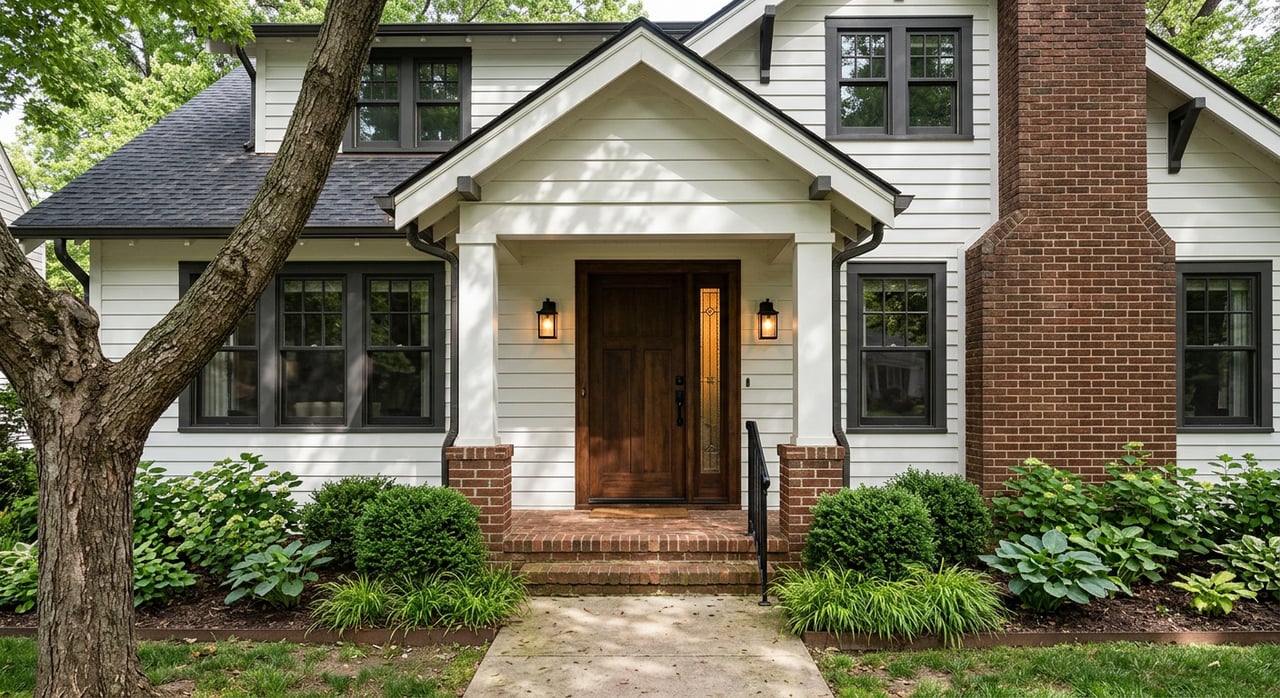
Why Huntington Woods Historic Homes Keep Attracting Buyers
March 24, 2026
March 24, 2026
If you love brick, stone, and tree-lined streets where every home tells a story, Huntington Woods delivers. You might be weighing charm against maintenance or wondering how local historic districts affect your plans. In this guide, you’ll learn what “historic” means here, which features buyers value most, how the market responds, and what to check before you write an offer. Let’s dive in.
Huntington Woods earned its reputation as “The City of Homes” for compact, single-family neighborhoods with a mature canopy and sidewalks. Much of the city took shape in the 1920s through the 1940s, so “historic” here often means early-to-mid 20th century architecture rather than Victorian. The city’s planning materials emphasize preserving this character through local policy and design review.
Two local historic districts stand out: the Hill Historic District and the Rackham Golf Course Historic District. Both are supported by preservation guidelines and a Historic District Commission that reviews certain exterior changes to protect streetscapes. The city’s planning documents are a helpful primer on neighborhood form, historic resources, and design expectations in these districts. You can explore those details in the city’s preservation-focused planning materials, which outline how architecture and neighborhood patterns are safeguarded over time (city master plan and preservation overview).
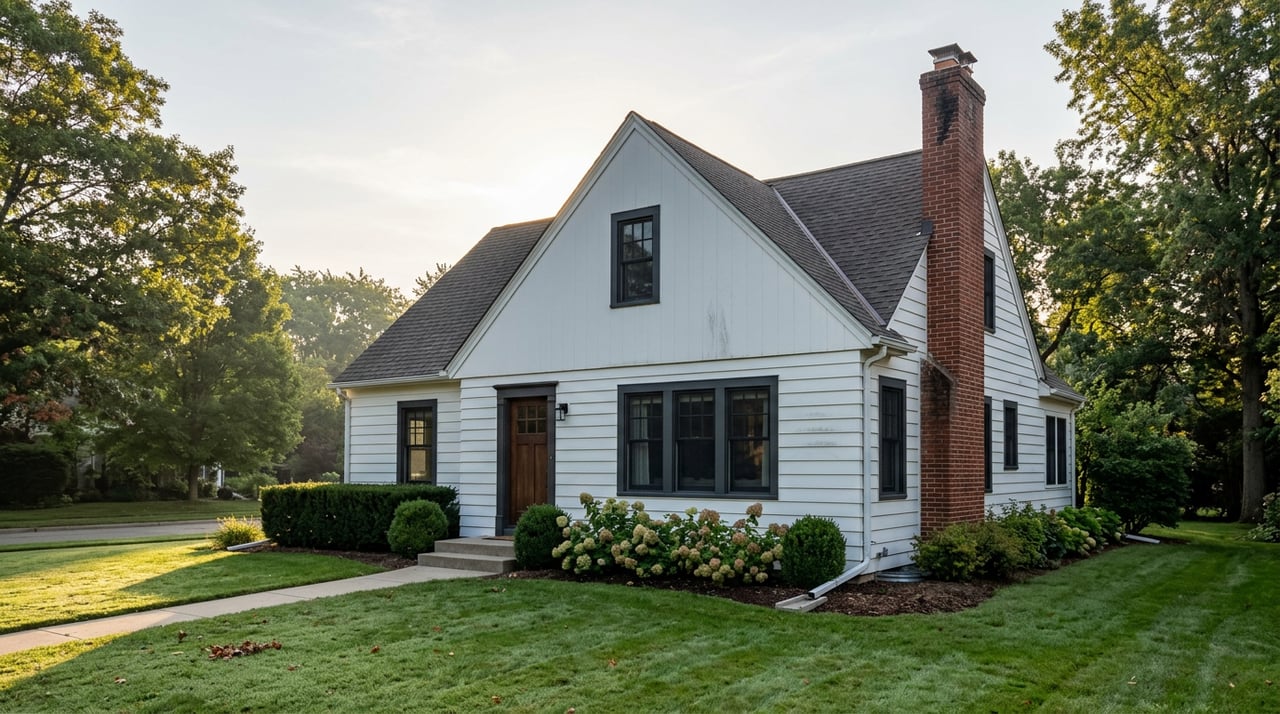
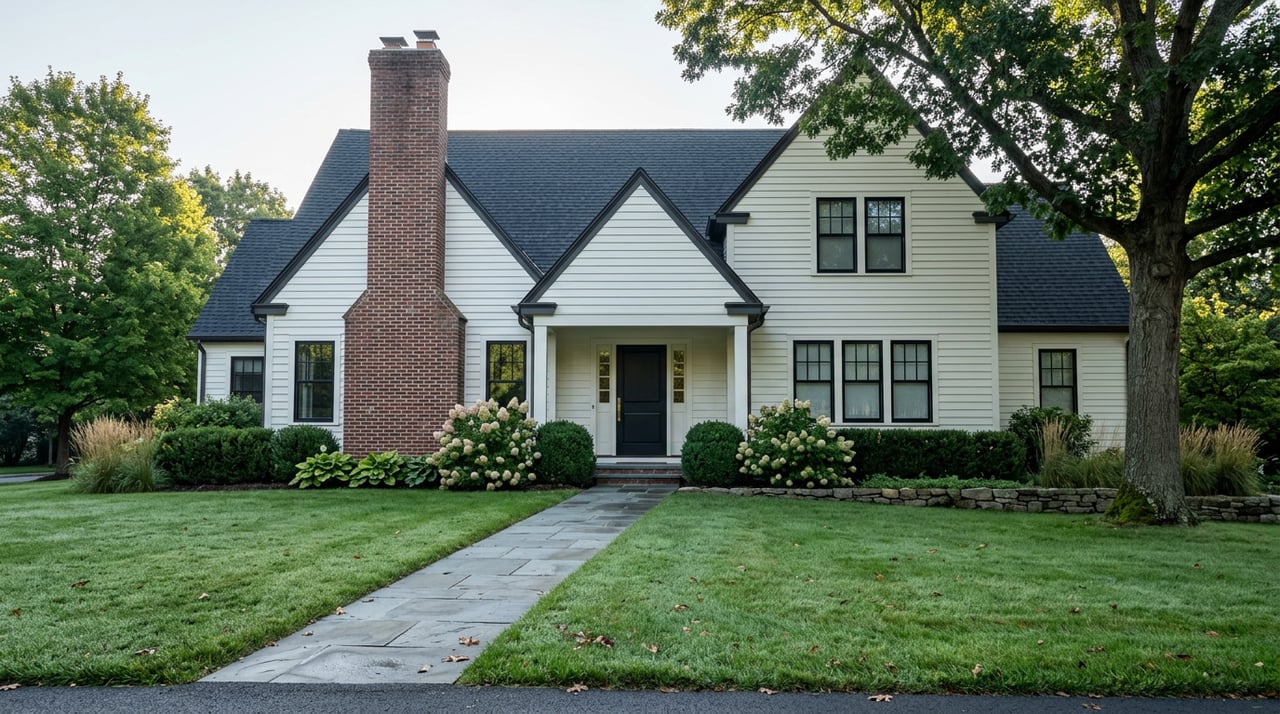
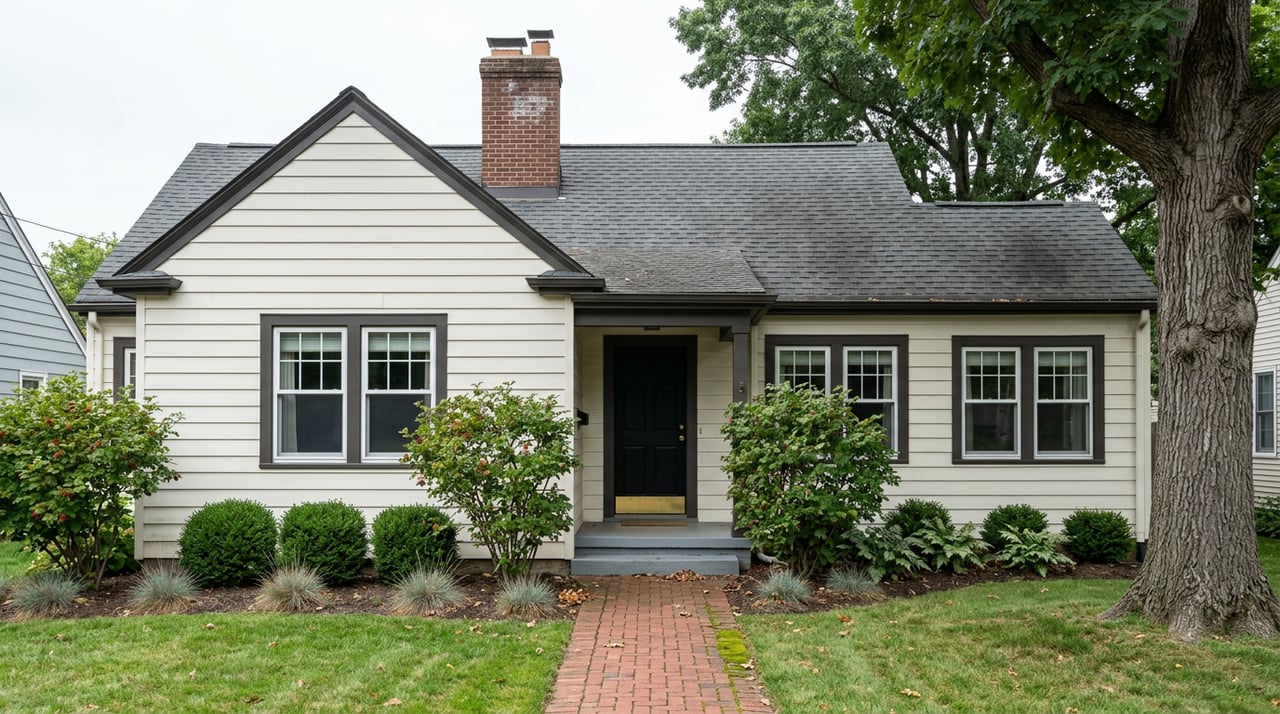
If you appreciate craftsmanship, Huntington Woods offers depth and variety. You’ll see Tudor homes (especially concentrated in the Hill Historic District), Colonial Revival, Bungalows and Craftsman, Cape Cods, mid-century Ranches, and select Modernist/International designs. Many homes feature brick or stone exteriors and quality “360-degree” masonry that set a durable, classic tone.
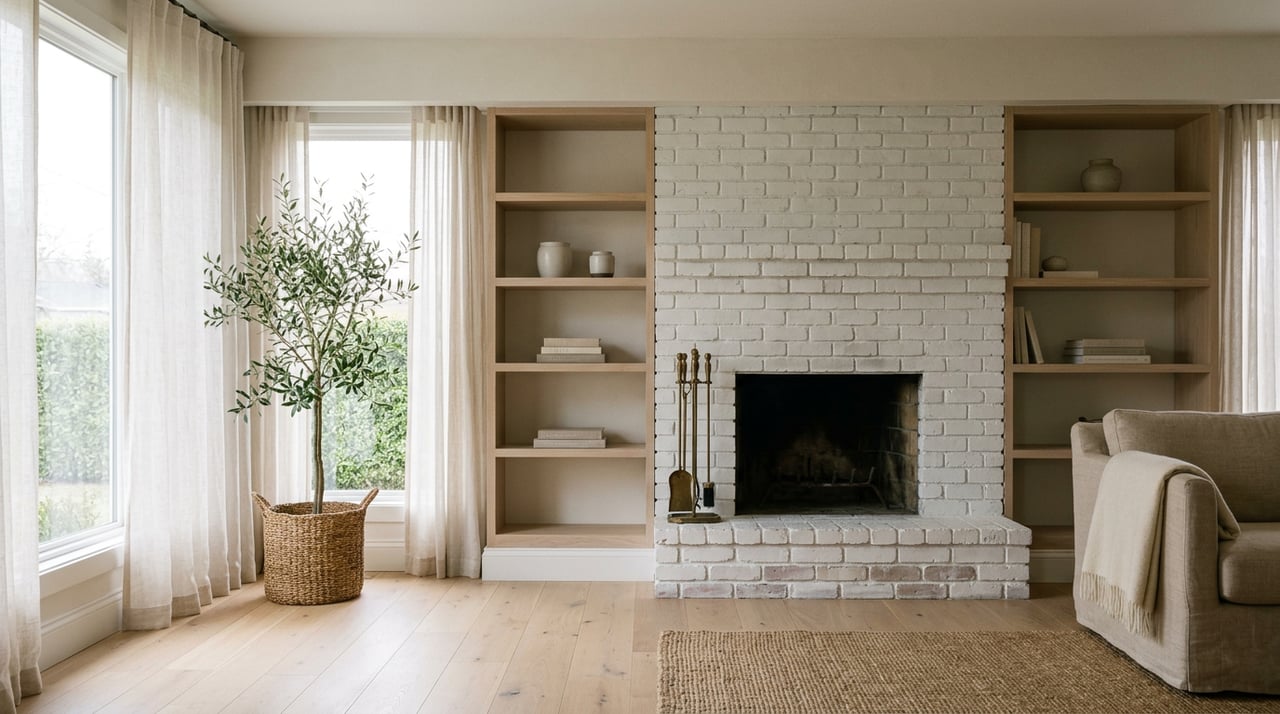
Inside, buyers often discover leaded or diamond-pane windows, original millwork, built-ins, and period hardware. These details create the emotional pull that draws people to historic homes. City preservation materials also note that the Hill district includes work by notable architects, adding to the neighborhood’s cachet and architectural pedigree (planning and preservation overview).
Huntington Woods is known for mature trees, short blocks, and sidewalks across nearly all streets. That combination creates an immediate, welcoming feel and supports an active, walkable lifestyle. City plans highlight protecting the canopy and pedestrian experience as core community goals.
Lot sizes vary by area. In the Northwest neighborhood, for example, lots are often about 60 feet wide, while the “Acres” area includes larger parcels. Many original homes were modestly sized, with averages under about 2,300 square feet in some sections and most original homes under 3,000 square feet. These patterns matter if you’re thinking about additions or reconfigurations; the city closely manages lot coverage, setbacks, and infill design so new work fits neighborhood proportions (master plan guidance).
Location is a major draw. A large portion of the Detroit Zoo sits within Huntington Woods, and Rackham Golf Course, a Donald Ross design, provides immediate recreation and a green-space buffer that many buyers value. Both are recognized local historic resources, reinforcing community identity and the area’s sense of place (Rackham Golf Course history and context).
Families also look to the Berkley School District, which serves most of Huntington Woods addresses. You can verify attendance areas and district boundaries using the district’s map before you buy (Berkley School District map). Proximity to nearby downtowns along the Woodward corridor, such as Berkley and Royal Oak, adds dining, retail, and entertainment options a short drive away, with city plans aiming to improve pedestrian connections to these hubs (master plan overview).
Huntington Woods sits at higher price levels compared to many neighboring communities. Census data show a median owner-occupied home value of about $473,900, with a high owner-occupancy rate and strong median household income benchmarks (U.S. Census QuickFacts). Independent market trackers also place local home values in the high hundreds of thousands, reflecting demand for location, architecture, and stable neighborhood form.
Historic designation can play into pricing. Studies in Michigan and elsewhere often find a positive association between local historic district status and property values over time, though results vary by place and method. Treat that as a plausible but not guaranteed premium, and always anchor your pricing with recent closed sales for the specific block and home type. For background on how designation can influence values, see statewide and local preservation summaries (historic district and value research overview).
Most buyers of older homes update kitchens and primary baths, create or refine a primary suite, finish basements, and upgrade mechanicals. The city’s planning approach encourages sensitive renovations that respect neighborhood character, which often helps long-term value and curb appeal.
With older homes, plan for professional inspections and potential systems work. Inspectors often flag aging electrical panels or knob-and-tube remnants, and galvanized plumbing is not unusual in early 20th-century stock. A thorough inspection and accurate estimates before you bid will help you budget with confidence (common inspection findings by state).
If the home predates 1978, lead-based paint rules may apply during renovation. Use EPA-certified contractors and follow lead-safe work practices to protect your household and stay compliant with federal RRP guidelines (lead renovation, repair and painting guidance).
For larger, preservation-focused projects, Michigan offers a State Historic Tax Credit program for owner-occupied homes. Credits require advance approval and a multi-step application, so start early and confirm timelines and eligibility before you plan your scope. Learn more about requirements and the application calendar through Michigan’s program portal (Michigan Historic Preservation Tax Credits).
Buyers often ask why certain blocks feel especially cohesive. In the Hill Historic District, you’ll find a concentrated mix of early 20th-century architecture, high-quality masonry, and designs attributed in records to noted architects. Local design review helps protect these visual patterns on the street. That consistency, combined with classic Tudor and Colonial Revival façades, is a big part of what creates a distinct sense of place in Huntington Woods (planning and preservation context).
Put it together and the appeal is clear: enduring architecture, mature trees and sidewalks, proximity to regional amenities like the Detroit Zoo and Rackham Golf Course, and convenient access to nearby downtowns. The city’s careful attention to design and lot patterns supports a stable look and feel, while strong district school assignments and high owner-occupancy rates add confidence for many homeowners. If you value homes with character that live well today, Huntington Woods belongs on your shortlist.
Ready to explore historic homes in Huntington Woods or compare neighborhoods across Berkley, Royal Oak, Troy, and Birmingham? Let’s talk about your wish list, timing, and budget so you can move forward with clarity. Connect with Madelon P. Ward to start a tailored search or request a market valuation.
We pride ourselves in providing personalized solutions that bring our clients closer to their dream properties and enhance their long-term wealth. Contact us today to find out how we can be of assistance to you!