Leave a Message

Thank you for your message. We will be in touch with you shortly.

Royal Oak Bungalows Vs Newer Homes: How To Choose

February 19, 2026

Torn between the storybook charm of a Royal Oak bungalow and the convenience of a newer build? You are not alone. Both options can be great fits in 48067, but they offer very different living experiences, budgets, and long-term plans. In this guide, you will compare costs, maintenance needs, permits, energy performance, and resale considerations so you can choose with confidence. Let’s dive in.

Market snapshot: Royal Oak 48067

Royal Oak is a competitive inner-ring suburb with steady demand and relatively low inventory. Multiple data providers show typical home values in the low-to-mid $300Ks, with slight differences by method and timing. For example, Redfin reported a median sale price near $339K and about 52 days on market as of January 2026, while Realtor.com summaries for 48067 showed metrics in the high $300Ks with roughly 63 days on market late in 2025. Zillow’s ZHVI placed typical values around $318K during the same period.

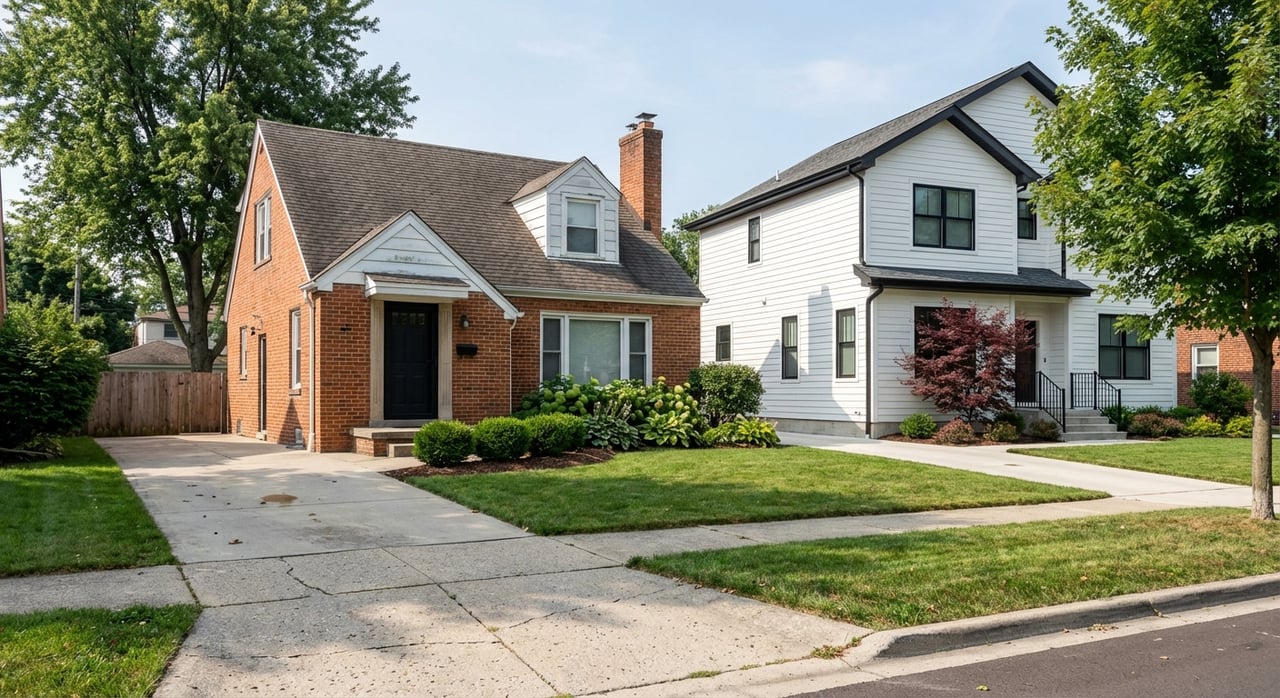
Age and style also shape your decision. The average single-family home in 48067 is roughly 82 years old, which reflects the city’s deep stock of early- to mid-20th-century bungalows and cottages. You will also find pockets of newer construction and full rehabs close to commercial corridors and select subdivisions. That mix is part of Royal Oak’s draw.

What defines a Royal Oak bungalow

Size, layout, and character

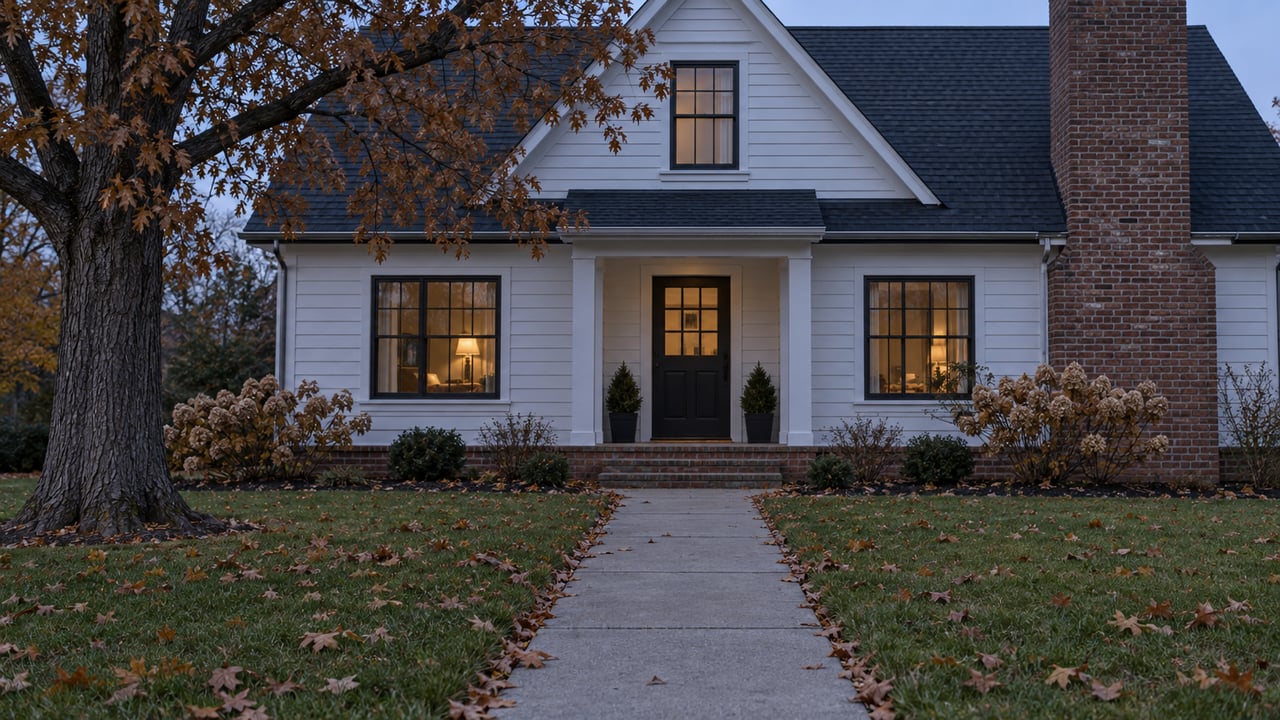
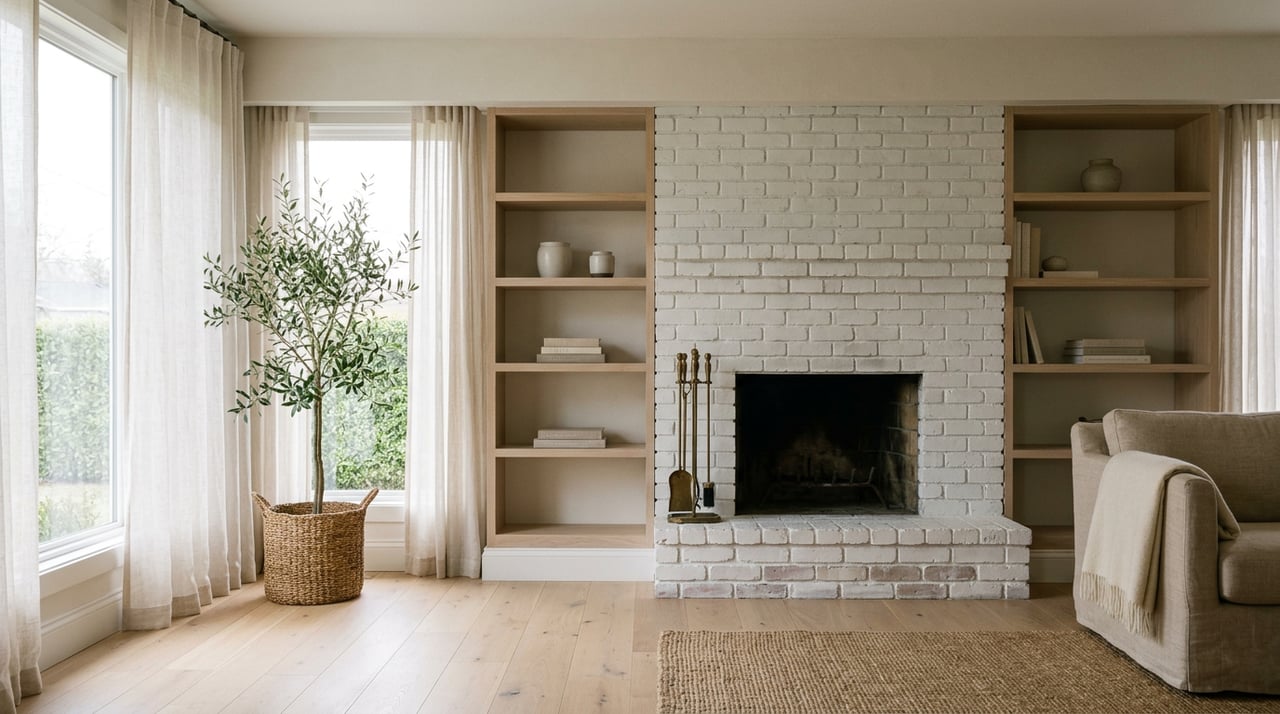
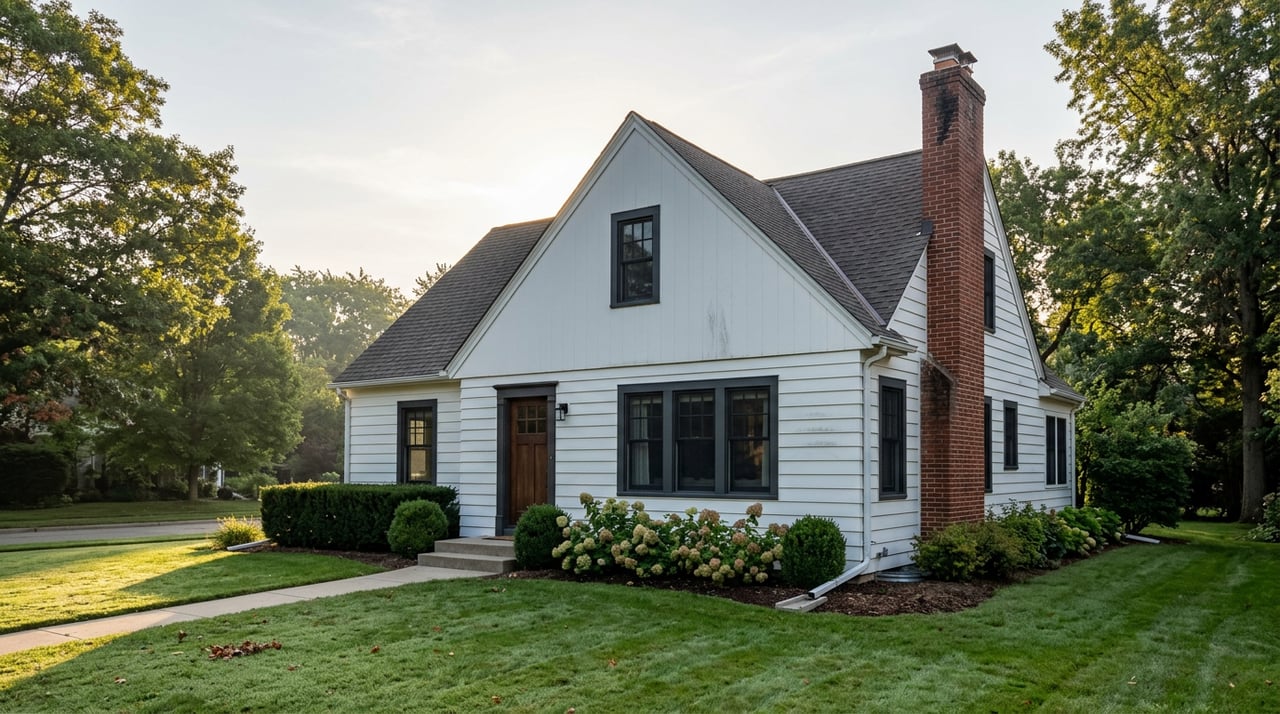
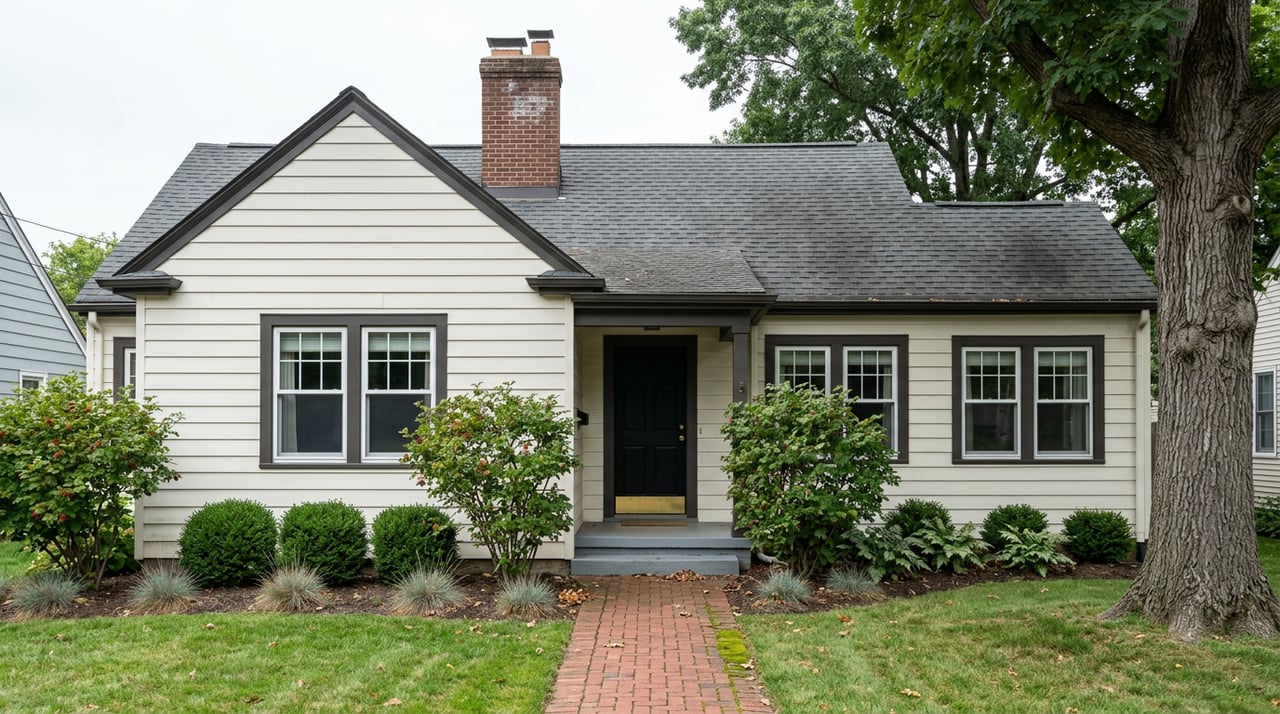
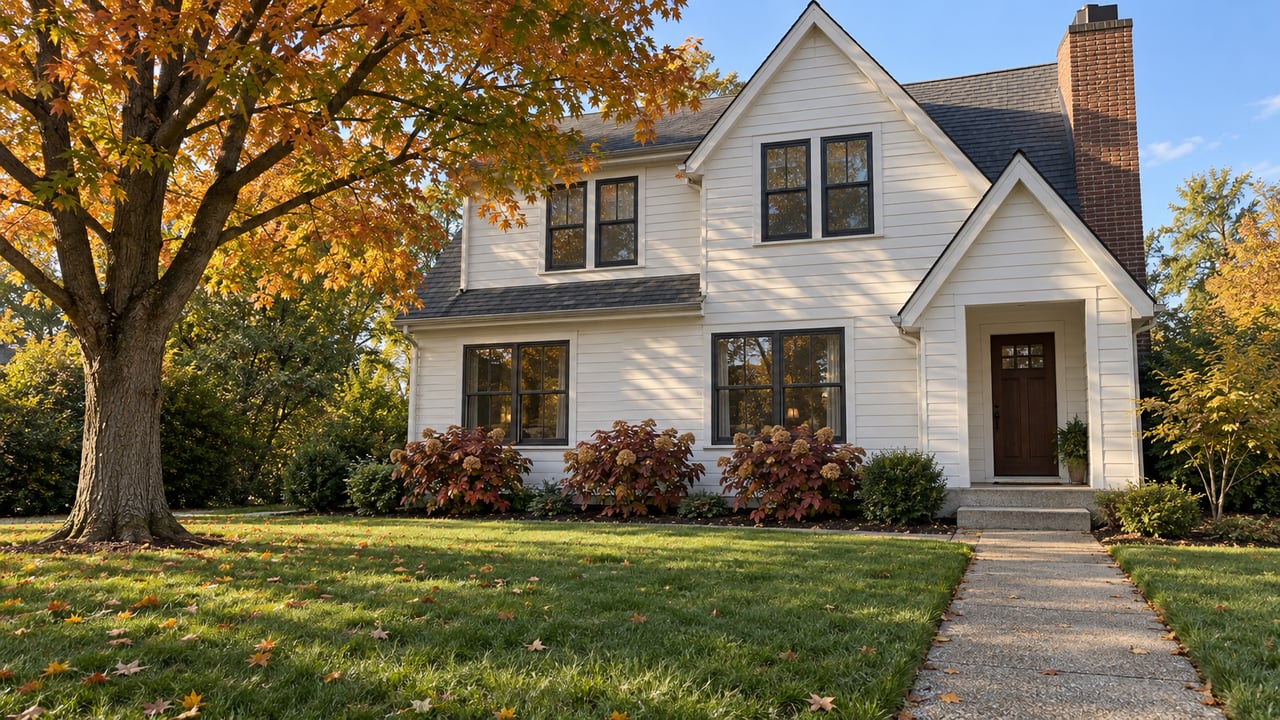
You will most often see 1 to 1.5 stories with about 900 to 1,600 square feet above grade, plus a full basement. Many have original hardwoods, built-ins, front porches, and detached or single-bay garages. Lots are modest in width, which keeps neighborhoods walkable and street-facing.

Inspection priorities for older homes

Bungalows charm you at the open house, but a careful inspection protects your budget.

  • Electrical. Some older homes may still have legacy systems like knob-and-tube or out-of-date breaker panels. A licensed electrician should evaluate any pre-modern wiring during inspection. InterNACHI’s overview explains why these systems can be safety and insurance red flags. Learn more.
  • Lead paint. Homes built before 1978 are likely to contain lead-based paint. Renovations that disturb painted surfaces typically require certified contractors under EPA rules. Review how the Renovation, Repair and Painting rule works before planning updates. See an overview.
  • Energy and comfort. Original insulation, single-pane windows, and older doors are common. Air sealing and attic insulation usually deliver strong comfort and efficiency gains in these homes.
  • Foundations and moisture. Basements in older properties sometimes need drain or waterproofing work. Many Royal Oak listings highlight finished basements, so check for moisture control, sump pumps, and recent improvements.

Typical updates and cost ranges

Costs vary by scope and contractor, but these national ranges help you frame a back-of-the-envelope budget:

  • Roof replacement: roughly $6,000 to $13,000 depending on size and material. Reference costs.
  • Furnace replacement: often about $4,000 to $8,000 depending on efficiency and home size.
  • Water heater replacement: frequently $800 to $2,500 based on type and capacity.

Buyers commonly target kitchens, baths, basement finishing, electrical upgrades, HVAC, and insulation. If you love the character and location, a smart renovation plan can get you the best of both worlds.

What “newer” homes offer in Royal Oak

Layout and features

Newer construction or recent full rehabs often deliver open floor plans, larger kitchens and closets, ensuite bedrooms, and attached two-car garages. Mechanical systems are modern, finishes are current, and storage is much improved compared with many vintage layouts. If you want space and convenience, these homes are designed around that lifestyle.

Energy and code benefits

Newer builds are typically constructed to more recent code and energy standards, which can reduce heating and cooling costs. Michigan also launched statewide Home Energy Rebates in 2025 that help owners make cost-effective upgrades, whether you buy new or renovate an older home. Explore Michigan’s MiHER program for potential rebates on insulation, wiring, and heat pumps. Program details.

Maintenance expectations

Newer systems usually mean fewer big-ticket repairs in the near term. Roofs, HVAC, and windows still age, but you are less likely to face immediate capital projects right after closing. Always verify install dates and service records so you understand the replacement timeline.

Location and lot factors

Historic districts and permits

Royal Oak supports preservation while planning for thoughtful growth. The city has locally designated historic properties and an active Historic District Commission. Exterior changes in designated areas can require additional review. Before planning additions, garages, or major exterior updates, start with the city’s Building Division for permit guidance and check whether a property falls within a designated area. Visit the Building Division and review Designated Properties.

In 2025, the City Commission adopted Master Plan 2050 with goals to preserve neighborhood character and allow some added housing in targeted zones. If you are weighing an addition or infill, the plan provides useful context for what is encouraged and where. Read coverage of the plan.

Teardowns and infill

In high-demand pockets, small homes can be valued primarily for the lot. That can make sense for buyers planning a new build, but you need to confirm zoning, setbacks, height limits, and any historic restrictions before you assume what is possible. A quick pre-application check with the Building Division can save time and surprises.

Price and resale strategy

When you compare a bungalow to a newer home, think in total cost of ownership rather than just list price.

  • Start with likely near-term capital items. If inspection points to electrical work, a near-end-of-life roof, or an aging furnace, layer those costs into your budget.
  • Compare to renovated or new comps nearby. In Royal Oak, fully updated bungalows and new builds often command higher prices per square foot than homes that need work. Street-level comps in the immediate neighborhood are the best benchmark.
  • Consider insurance and financing. Some insurers raise premiums on older systems. Renovation loans and energy rebates can lower upfront outlay and improve monthly comfort.

The average age of 48067’s housing stock underscores why this math matters. It is common to balance purchase price against planned upgrades to end up at the right all-in number, especially if you value a walkable, character-rich block. For neighborhood age context, review parcel data snapshots for 48067. See an example source.

Renovation financing and rebates

If the bungalow has your heart but needs updates, you have options that fold project costs into your mortgage or offset them with rebates.

  • FHA 203(k). This long-standing FHA program lets you roll approved renovation costs into one loan, with Limited and Standard versions for different scopes. Explore FHA 203(k).
  • Fannie Mae HomeStyle Renovation. A conventional alternative that similarly allows renovation expenses in the mortgage, often with broader property flexibility. Review HomeStyle.
  • MiHER Home Energy Rebates. Michigan’s statewide program launched in 2025 and offers rebates for insulation, air sealing, electrical upgrades, and heat pumps. That can reduce the effective cost to modernize an older home’s envelope and systems. Check MiHER.

Ask your lender which programs fit your profile and confirm contractor and permit requirements with the city before you begin.

Where each option shines

Choose a bungalow if you prioritize

  • Walkability and neighborhood character.
  • A cozy footprint with original details you can enhance over time.
  • A lower entry price per square foot in some cases, with room to build equity through smart updates.
  • A detached or smaller garage and a manageable yard.

Choose a newer home if you prioritize

  • More square footage, storage, and open-plan living.
  • Attached two-car garage and ensuite bedrooms.
  • Modern systems with fewer near-term repairs.
  • Energy performance aligned with current code expectations.

Quick decision checklist

Use this to organize your search and your offer strategy:

  • Clarify what matters most: walkability and charm or space and modern amenities.
  • Request service records and past permits for roof, HVAC, electrical, windows, and basement work.
  • Get a thorough inspection that includes electrical evaluation, potential lead risk for pre-1978 homes, and a focused foundation and moisture check. InterNACHI’s electrical guidance explains why older systems may need upgrades. Read more.
  • Run simple math: purchase price plus near-term capital items and desired kitchen or bath work. Use national ranges to frame a budget, such as roof replacement estimates. See roof cost reference.
  • Check local rules before planning additions or a teardown. Contact the city’s Building Division and review designated historic properties. Start here and here.
  • Map financing to your plan. Consider FHA 203(k) or HomeStyle Renovation for bundled project financing, and MiHER rebates for efficiency upgrades. FHA 203(k) | HomeStyle | MiHER

How we help you choose

You do not need to navigate this alone. Our team combines neighborhood expertise in Royal Oak with practical, budget-minded guidance. We will help you value a vintage bungalow with renovation potential, vet newer builds and recent rehabs, and frame offers that reflect real near-term costs and long-term resale.

If you want a clear path from first showing to confident offer, let’s talk. Start your search and get a step-by-step plan with Madelon P. Ward.
FAQs

What is the typical age of homes in Royal Oak 48067?

  • The area skews older, with an average single-family home age around 82 years, reflecting a strong stock of early- to mid-20th-century bungalows and cottages.

What inspections are most important for Royal Oak bungalows?

  • Ask for a full home inspection with special attention to electrical systems, potential lead-based paint in pre-1978 homes, insulation and air sealing, and basement moisture and drains.

How do renovation loans like FHA 203(k) work for buyers?

  • FHA 203(k) lets you finance approved renovation costs within a single mortgage, which is helpful if you buy a fixer and want to update kitchens, baths, or systems shortly after closing.

Are newer Royal Oak homes more energy efficient?

  • They are typically built to more recent code and often include efficient envelopes and mechanicals, which can lower utility costs, though you should always verify model years and ratings.

What should I check before planning an addition or teardown?

  • Confirm zoning, setbacks, and whether the property is in a designated historic area, then speak with Royal Oak’s Building Division about permit processes and any required reviews.

Work With Us

We pride ourselves in providing personalized solutions that bring our clients closer to their dream properties and enhance their long-term wealth. Contact us today to find out how we can be of assistance to you!