Royal Oak House Hacking: Duplex Strategies That Work
April 23, 2026
April 23, 2026
Thinking about offsetting your mortgage by renting part of your property in Royal Oak? It can be a smart strategy, but in this market, the details matter. If you want to house hack in or around 48067, the biggest key is knowing the difference between a property that is already set up legally for multiple units and one that would need major zoning and code hurdles to get there. This guide will show you what is realistic in Royal Oak, where the opportunities tend to be, and what to watch before you buy. Let’s dive in.
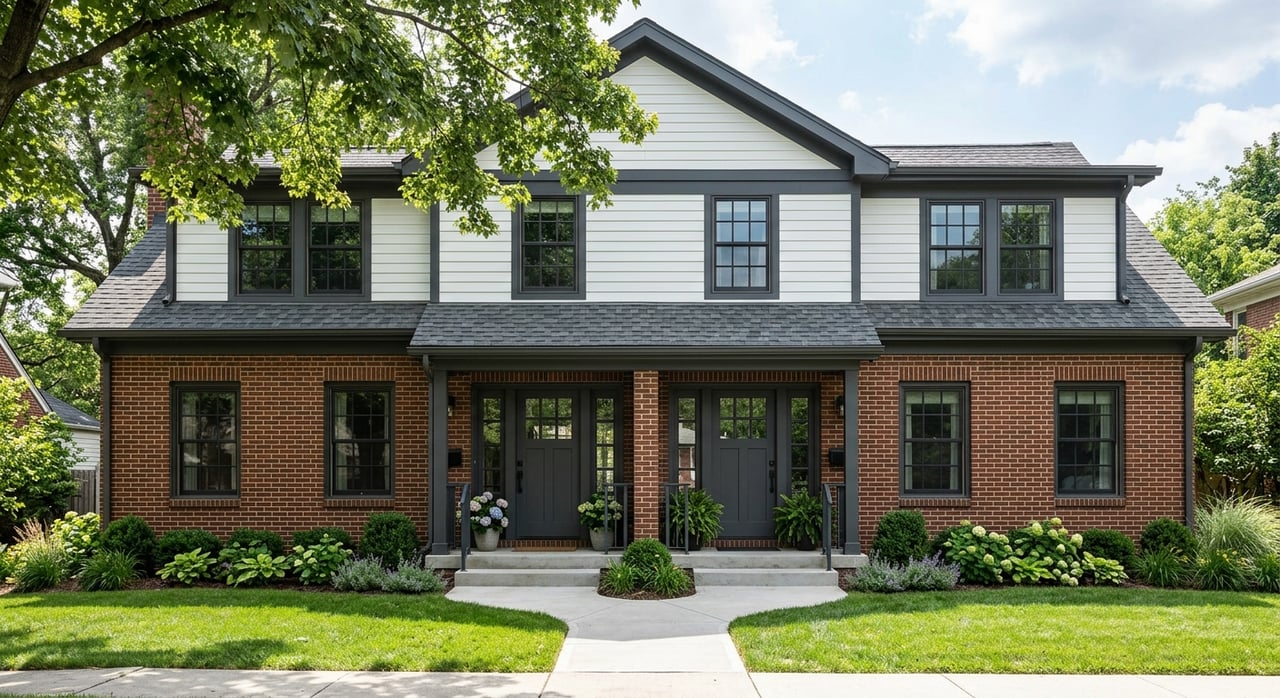
House hacking usually means you live in one part of a property and rent out the rest to help cover your monthly housing costs. In Royal Oak, that often works best when you buy an existing legal duplex or small multifamily property rather than trying to create a second unit from scratch.
That distinction is important because Royal Oak’s zoning framework is much more accommodating to properties that are already legally configured for two-family or multifamily use. According to the City of Royal Oak zoning district information, one-family detached homes are the by-right residential use in one-family districts, while two-family dwellings are allowed in two-family districts and multifamily dwellings are allowed in multiple-family districts.
If you are serious about house hacking in Royal Oak neighborhoods, the cleanest route is usually buying a duplex or small multifamily that is already lawful. Some older properties may also exist in areas that look mostly single-family because the city has an overlay district that preserves certain existing two-family, multifamily, and commercial uses in one-family areas through special land-use approval.
In practical terms, that means you may find opportunities in neighborhoods where the housing stock looks mixed, but you should never assume a property can be rented as multiple units just because it has the layout for it. The legal status of the parcel matters just as much as the floor plan.
Trying to create a new second unit inside a typical single-family home is a much less straightforward strategy in Royal Oak. The city code reviewed in the research does not read like a broad, by-right ADU program, and accessory-building rules are fairly limited.
For example, Royal Oak’s code provisions limit accessory buildings to side or rear yards, allow no more than two per lot, and cap total ground-floor area at 800 square feet. The code also notes that accessory buildings cannot include a combination of services that makes them easily convertible to habitable space.
If you are picturing a detached backyard apartment, Royal Oak is not a market where that is generally a simple, by-right move. The clearest exception in the residential code sections reviewed is senior accessory housing, which is owner-occupied, limited to an elderly related person, capped at 600 square feet, and requires off-street parking plus a recorded deed restriction.
For most buyers, that means a new detached ADU is not the main play. If your plan depends on building a second unit later, you will want to verify zoning and permitted use very early in your search.
House hacking is not just about legality. It also has to make sense with local prices and rents. In Royal Oak, public rent trackers vary, so the safest way to think about income potential is as a range rather than a fixed number.
Current public data in the research shows average rents at about $1,886 on Zillow, $1,348 on Apartments.com, and $1,900 on Trulia for Royal Oak overall. At the bedroom level, Trulia’s rent trends show roughly $1,240 for a one-bedroom, $1,700 for a two-bedroom, $2,400 for a three-bedroom, and $3,311 for a four-bedroom.
Neighborhood-level rent snapshots show why location can make such a difference in your house-hack math. Apartments.com rent market trends place Downtown Royal Oak on the higher end, with an average rent of $2,498, while areas such as Starr Acres, Forest Heights, and Nordwood Estates are shown at lower average rents.
That does not automatically make one area better than another. It simply means your expected rental income may vary significantly depending on where the property sits and what type of unit you are renting.
Using the public averages from the research report, here is what gross monthly rent could look like in a few simple examples:
These are gross rent illustrations only, not net cash flow. Your actual carrying costs, maintenance, utilities, financing, vacancy, and registration-related expenses will all affect the real monthly picture.
On the purchase side, the market is active enough that planning matters. In 48067, Redfin market data shows a median sale price of $350,000 and median days on market of 54 in March 2026.
The broader Royal Oak market in the research comes in around the mid-$350,000 range as well, with homes often moving faster citywide. Downtown Royal Oak trends higher, with the research noting median sale prices around $364,500 and Realtor.com’s local market overview reinforcing that downtown is a higher-priced submarket.
One of the biggest misconceptions about house hacking is that the work ends once you buy the property. In Royal Oak, the compliance side is a major part of ownership if you plan to rent out space.
The city states that the Building Division inspects all residential rental units, and the property-registration ordinance requires all one-family, two-family, and multifamily dwellings that are rented or intended to be rented to be inspected every two years.
The local ordinance also requires residential rentals to:
You can review those details in the city ordinance text. For house hackers, this is a big point: rental income is only part of the strategy. The property also needs to stay registered, inspected, and code-compliant.
A finished basement or attic does not automatically equal a legal rental bedroom or separate unit. The ordinance specifically says attic and basement bedrooms need recorded permits and must meet applicable code requirements.
So if you are looking at a home and thinking, "I can just finish the lower level and rent it out," that is exactly the kind of assumption you want to test before writing an offer.
If your plan leans toward short-term rental use instead of a longer-term tenant, Royal Oak adds another layer of requirements. The ordinance references a $1,000,000 liability insurance certificate and, if required, a State of Michigan short-term-rental certificate.
The city can also suspend or revoke a registration for cause, and three or more violations in a registration period can be treated as a nuisance for suspension or revocation purposes. In other words, this is not a market where you want to treat rental compliance casually.
Royal Oak can be a realistic house-hacking market if you are open to the right kind of property and you go in with a practical plan. It tends to fit buyers who are comfortable with a more hands-on ownership experience and who understand that zoning, registration, and inspections matter just as much as projected rent.
This strategy may be especially worth exploring if you want to live in one unit, keep your housing costs more manageable, and buy in an area with strong rental demand. It is usually less ideal if your whole plan depends on adding a brand-new second unit to a standard single-family house after closing.
If you are considering this path, here are a few smart next steps:
If you want help identifying properties that fit your goals and understanding how they may align with local market conditions, Madelon P. Ward and The Madelon Collective can help you search with a practical, neighborhood-informed strategy.
We pride ourselves in providing personalized solutions that bring our clients closer to their dream properties and enhance their long-term wealth. Contact us today to find out how we can be of assistance to you!