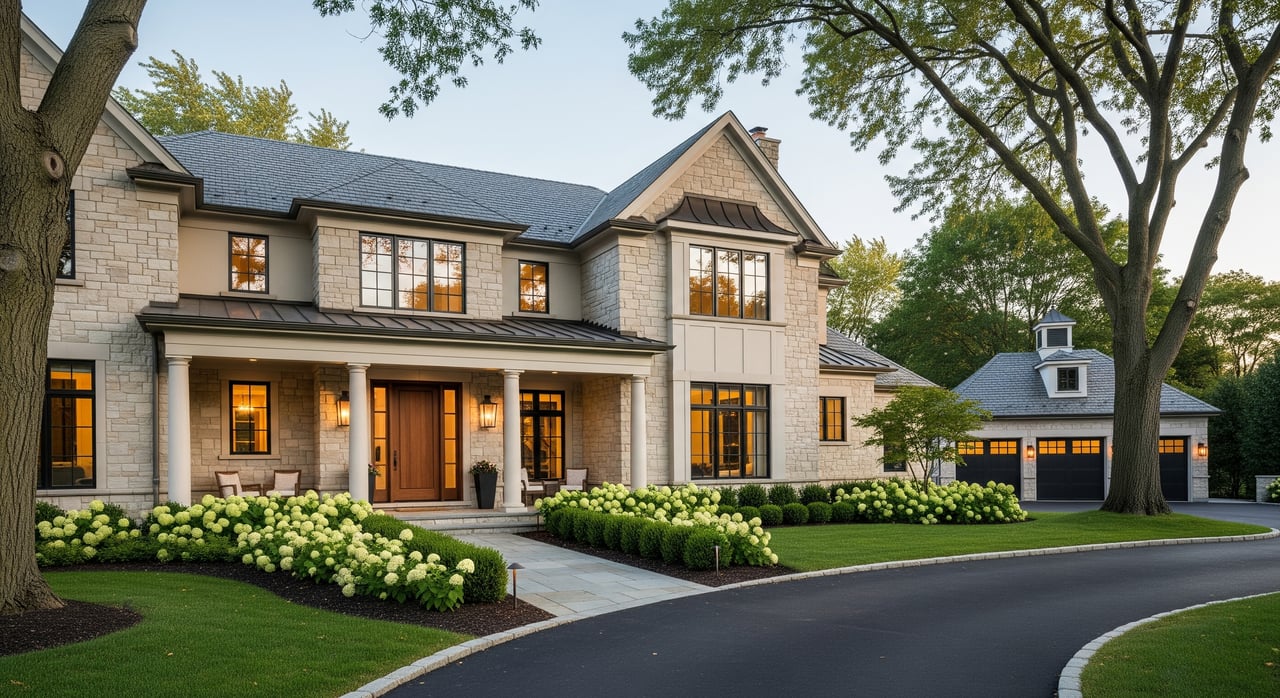
Is a Rochester Hills Rental Investment a Smart Move?
January 1, 2026
January 1, 2026
Thinking about buying a rental in Rochester Hills but unsure if the numbers and demand add up? You want steady rent, reasonable risk, and a plan that fits your goals. In this guide, you’ll learn how to gauge demand, choose the right property type, underwrite cash flow, and navigate local rules so you can invest with confidence. Let’s dive in.
Rochester Hills sits within Oakland County in the Warren–Troy–Farmington Hills region, where suburban job centers, commuter access, and neighborhood amenities support rental demand. Major corridors like I-75 and M-59 make commuting practical for many professionals. Suburban markets like this typically see steadier home-price appreciation and lower vacancy than more volatile urban cores, though you should confirm current figures with local data.
You’ll see interest from suburban families, professionals who commute to nearby employment nodes, and some downsizers or relocations. Lease terms often run longer in areas where schools and community amenities are a draw. Even with generally stable tenant profiles, consistent screening is essential.
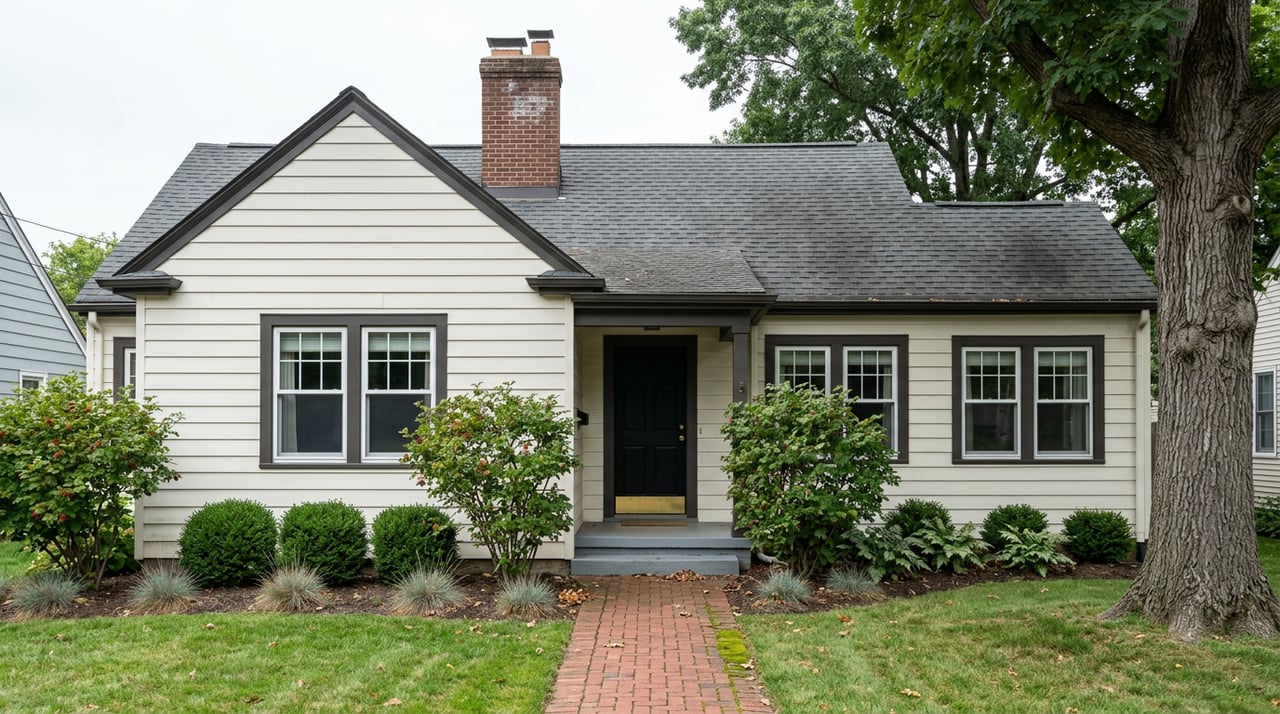
Single-family homes are common across Rochester Hills and often draw longer-term tenants who value space and neighborhood stability. Newer systems and well-kept homes can reduce near-term capital expenditures and support rent.
Townhomes and condos are prevalent in newer developments and can be a fit for professionals, small households, or downsizers. Review HOA rules, fees, and leasing policies before you buy, and factor them into expenses.
Small multifamily buildings exist in select corridors but are less common inside primarily single-family neighborhoods. These can diversify income streams, though you should verify zoning, parking, and local code requirements.
Avoid guessing. Pull 3 to 6 active listings and recent leases in the same neighborhood with similar beds, baths, square footage, and amenities. Use multiple sources to triangulate, and refresh comps right before you list to capture the latest trend.
Rental demand often rises in late spring and summer. If you close in winter, expect a longer marketing timeline or consider offering incentives to reduce vacancy.
Cap rates in stable suburban markets often fall in a mid-single-digit range for well-maintained single-family rentals. Always confirm local cap rates with current sales comps and actual operating statements.
Consider this illustrative case. Purchase price $300,000 and monthly rent of $2,200 yields annual gross rent of $26,400. With 5% vacancy, effective gross income is $25,080; assuming operating expenses at 35% of gross rent (about $9,240), NOI is roughly $15,840 and the cap rate is about 5.28%.
If you put 25% down ($75,000) and your annual debt service is about $18,000, your pre-tax cash flow would be approximately −$2,160, which is negative. This shows how today’s financing costs and expenses can compress cash flow. Update every input with current quotes and local comps before you buy.
You can explore conventional investor mortgages, portfolio loans, and other investor financing options. Down payment, interest rate, and loan terms will materially affect DSCR and cash-on-cash returns. If you put less than 20% down, plan for added costs like mortgage insurance when applicable.
Many Michigan municipalities require rental registration and periodic inspections. Confirm with the City of Rochester Hills whether registration, certificates of compliance, or safety inspections apply before you lease. Also verify any occupancy limits and zoning provisions.
Expect to meet local property maintenance codes, including working smoke and carbon monoxide detectors, safe egress, and functional heat and hot water. For homes built before 1978, federal law requires lead-based paint disclosures and safe practices.
Use written, consistent criteria to avoid fair housing violations. Standard checks include income verification, credit, rental history, and eviction history, with criminal background reviews handled in line with applicable rules. Obtain written consent and use recognized third-party screening tools.
Spell out security deposit handling per Michigan rules, repair responsibilities, notice requirements for entry, late fees, and utility responsibilities. Detail your pet policy, subletting rules, and emergency repair procedures to prevent misunderstandings.
Document the unit thoroughly at move-in and move-out with photos or video and a signed condition report. Capture meter readings and provide an inventory if the property is furnished. A clear process helps with deposit accounting and reduces disputes.
Professional management can bring marketing reach, leasing expertise, and compliance support. Management fees reduce net yield, so review fees, lease-up charges, repair authorization limits, and service levels, and confirm experience in Rochester Hills and nearby suburbs.
Interest-rate changes, market softening, and unexpected capital expenditures can affect income and returns. Regulatory shifts, such as rental licensing changes or short-term rental restrictions, can alter your operating plan. Tenant risk and vacancy are always present, so budget reserves and carry strong insurance.
For core single-family rentals in stable suburbs, many investors plan for a medium to long hold of 5 to 10 years or more. This horizon lets you realize appreciation and spread acquisition and rehab costs. Shorter timelines often require a defined value-add strategy and exit plan.
A Rochester Hills rental can be a smart buy if you value stable suburban demand, plan for a realistic hold period, and underwrite conservatively in today’s rate environment. Single-family homes often attract longer-term tenants, and townhomes or condos can work when HOA rules and costs align with your plan. Your success comes down to accurate rent comps, disciplined expense budgeting, and readiness to operate smoothly from day one.
If you want local, property-by-property guidance on fit, value, and resale positioning, connect with Madelon P. Ward for neighborhood-focused buyer representation and market valuations.

We pride ourselves in providing personalized solutions that bring our clients closer to their dream properties and enhance their long-term wealth. Contact us today to find out how we can be of assistance to you!